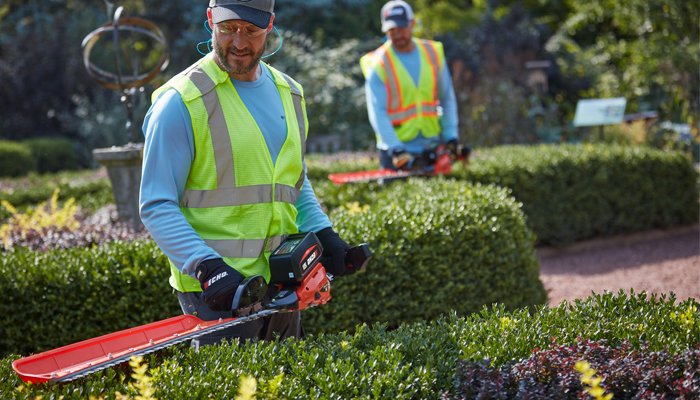
Hedge trimming isn’t just about looks. In the U.S., when you trim matters just as much as how you trim. Spring trimming helps your hedge grow strong and healthy, while summer trimming is about keeping that growth neat and under control.
If you treat spring and summer the same, you’ll usually end up with thin growth, stressed plants, or hedges that are harder to manage later. Here’s how the two seasons are different — and how to use each one properly.
Spring Hedge Trimming in the USA: Focus on Health, Not Shape
Spring hedge trimming in the U.S. is all about recovery after winter. Cold weather, snow, wind, and frost often leave hedges with dead tips, broken branches, or uneven growth. A light spring trim helps fix those issues and prepares the hedge for the growing season.
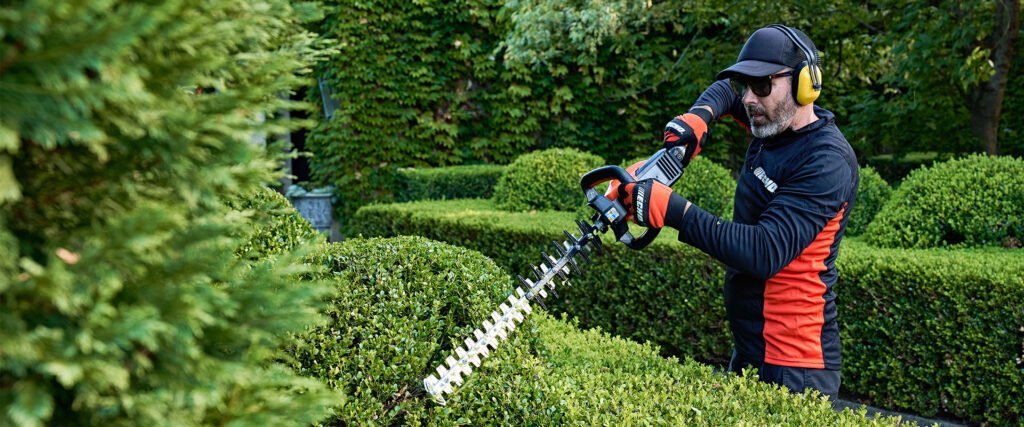
In most parts of the country, spring trimming starts after the last frost. That could mean:
- February to March in warmer southern states
- April to early May in northern and colder regions
Instead of chasing perfect lines, spring trimming should be gentle. The hedge is waking up, pushing new growth, and can be stressed easily if cut too hard.
Spring trimming usually involves:
- Removing dead, damaged, or winter-burned branches
- Cleaning up rough or uneven areas
- Very light shaping, if needed
One thing you must always think about in spring is wildlife. This is peak bird nesting season across the U.S. Before trimming, take a slow look through the hedge. If you see active nests, it’s best to delay trimming until the birds have left.
Summer Hedge Trimming in the USA: Control and Appearance
By summer, hedges across the U.S. are growing fast. Warm temperatures and longer days push new shoots quickly, and without trimming, hedges can lose their shape in no time.
Summer trimming isn’t about encouraging growth — it’s about managing it.
Most summer trimming happens from late June through August, depending on your region. In very hot states, it’s best to avoid trimming during extreme heat, especially in the middle of the day.
Summer trimming works best when it’s:
- Light and shallow
- Focused on fresh, new growth
- Done regularly rather than all at once
Fast-growing hedges may need trimming every few weeks, while slower growers often only need one or two trims during the entire summer. If your hedge flowers, wait until flowering has finished before trimming.
A good tip for U.S. summers: trim early in the morning or later in the evening. This reduces heat stress and helps prevent leaf scorch.
The Real Difference Between Spring and Summer Trimming
The biggest difference isn’t the tools — it’s the purpose.
Spring trimming helps your hedge recover and grow properly. Summer trimming keeps that growth neat and controlled. Spring sets the foundation, while summer maintains the result.
There’s also a difference in risk. Spring trimming needs more care because of frost and nesting birds. Summer trimming is usually safer, as long as you avoid heatwaves and drought conditions.
Put simply:
- Spring trimming = growth and structure
- Summer trimming = shape and size control
What Happens If You Trim at the Wrong Time?
Timing mistakes are one of the most common reasons hedges struggle.
Cutting too hard in spring can weaken the hedge and leave bare patches. Skipping summer trimming often leads to heavy overgrowth that’s difficult to fix later. Trimming during extreme heat can burn leaves and stress the plant, slowing recovery.
Most hedge problems aren’t caused by bad equipment — they’re caused by trimming at the wrong time of year.
So, Which Season Matters More in the USA?
Neither season works on its own. Healthy hedges in the U.S. need both spring and summer trimming.
Spring trimming prepares the hedge for strong growth. Summer trimming keeps it looking clean, balanced, and easy to manage. When used together, they reduce long-term maintenance and improve the hedge’s overall health.
If you remember just one rule, make it this:
Trim lightly after the last frost in spring, and trim gently but regularly through summer.
Follow that approach, and your hedge will stay thicker, healthier, and better shaped year after year — no matter which state you live in.
![Gasoline-Power-Hedge-Trimmer-for-Garden-Tools-with-600-mm-Dual-Blades[1]](https://lagunadirt.com/wp-content/uploads/2026/01/Gasoline-Power-Hedge-Trimmer-for-Garden-Tools-with-600-mm-Dual-Blades1-1024x683.webp)
![best-electric-pole-hedge-trimmer[1]](https://lagunadirt.com/wp-content/uploads/2026/02/best-electric-pole-hedge-trimmer1.webp)